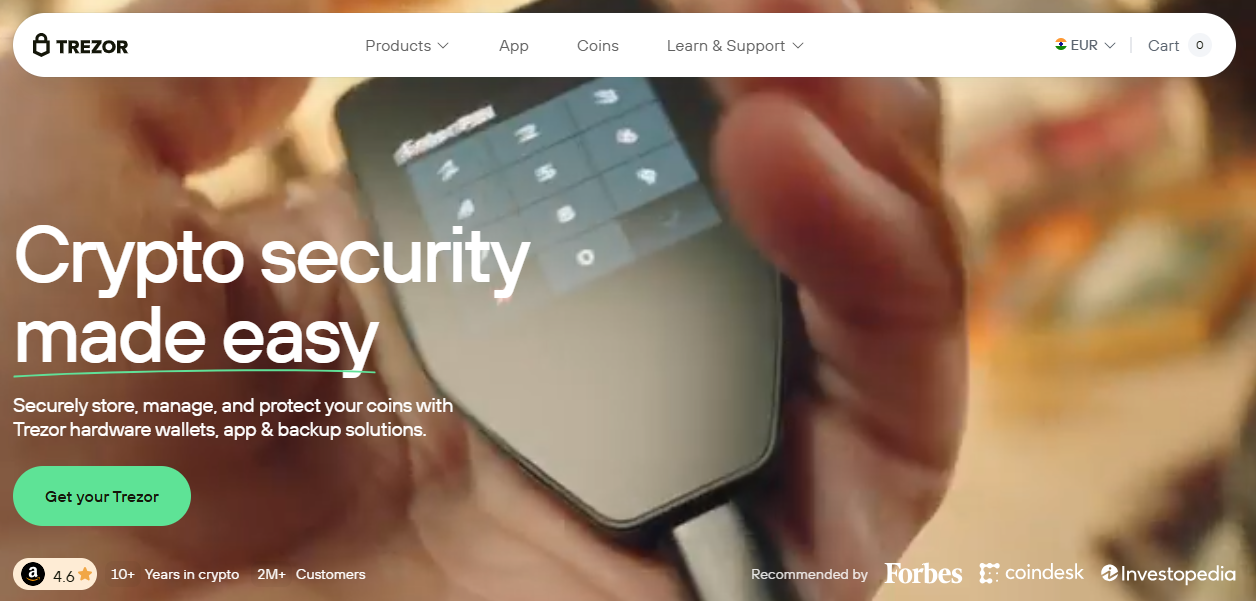
Trezor Login: The Ultimate Guide to Access Your Crypto Wallet Securely
Master your Trezor login process — learn how to connect, manage, and protect your digital assets with the highest security standards in the crypto world.
🔐 What is Trezor Login?
The Trezor login process is the gateway to your cryptocurrency world, allowing you to access, manage, and transact using your Trezor hardware wallet securely. Developed by SatoshiLabs, Trezor is one of the most trusted hardware wallet brands, designed to keep your private keys offline and your funds safe from hacks and phishing attempts.
Whether you’re using Trezor Model One or Trezor Model T, the login process remains simple, intuitive, and fortified with multi-layer security — making it ideal for both beginners and advanced crypto investors.
🧭 Step-by-Step Guide to Trezor Login
Here’s how to securely log in and access your Trezor wallet:
Step 1: Connect Your Trezor Device
Plug your Trezor device into your computer or mobile via a USB cable. The Trezor device will light up and display the welcome message, prompting you to open Trezor Suite or visit Trezor.io/start.
Step 2: Open Trezor Suite
Launch the Trezor Suite desktop or web application. It is the official management platform for your wallet. Once it recognizes your device, it will prompt you to confirm access on the Trezor screen.
Step 3: Enter Your PIN
Your Trezor PIN is a crucial layer of protection. Enter it carefully using the randomized grid that appears on your computer and matches the pattern on your device screen. This ensures that even keyloggers cannot record your input.
Step 4: Confirm Access
Once you enter the correct PIN, your device will ask you to confirm the connection. After approval, your wallet data will load securely in Trezor Suite.
Step 5: Manage Your Assets
After logging in, you can view your balances, send and receive cryptocurrencies, check transaction history, and update firmware — all while keeping your private keys offline.
💡 Why Security Matters in Trezor Login
Trezor’s login system is designed around the principle of zero-trust security. Even if your computer is infected with malware, your private keys never leave your hardware device.
- PIN Protection: Stops unauthorized users from accessing your device.
- Passphrase Option: Adds a secondary password layer for sensitive wallets.
- Recovery Seed: A 12–24-word backup to restore your wallet in case of loss or damage.
- Firmware Verification: Ensures you are using authentic and secure Trezor software.
🛠️ Troubleshooting Common Trezor Login Issues
Sometimes, you may encounter login errors. Here’s how to handle them efficiently:
| Problem | Cause | Solution |
|---|---|---|
| Device not recognized | USB driver issue or outdated firmware | Reinstall drivers, update Trezor firmware, and reconnect. |
| PIN entry not accepted | Incorrect pattern or mismatched grid | Restart Suite and ensure correct PIN sequence from your device screen. |
| Suite not loading balances | Outdated software or connectivity issue | Update Trezor Suite or check your internet connection. |
⚙️ Advanced Login Settings in Trezor Suite
Trezor Suite offers advanced options for power users:
- Tor Integration: Connect to your wallet anonymously for enhanced privacy.
- Custom Node Support: Link your own Bitcoin or Ethereum node to verify transactions independently.
- Hidden Wallets: Protect sensitive assets with unique passphrases that create isolated wallets.
- Labeling System: Organize your transactions with tags and notes synced via Dropbox.
🧠 Pro Tips for a Safe and Seamless Trezor Login
Enhance your login safety with these expert tips:
- Always verify the Trezor Suite URL or app authenticity before logging in.
- Keep your firmware updated to the latest version.
- Use a strong and memorable passphrase that isn’t stored digitally.
- Never share your recovery seed with anyone — even Trezor support.
- Disconnect your device after every session.
📚 Related Crypto Security Concepts
As you explore Trezor, it’s valuable to understand key crypto concepts that enhance your security posture:
- Cold Storage: Keeping assets offline for maximum safety.
- Two-Factor Authentication (2FA): Adding a second layer to secure logins.
- Phishing Awareness: Avoiding fake login pages and malicious links.
- Blockchain Verification: Checking transactions directly on the blockchain for authenticity.
🚀 Conclusion: Master Your Trezor Login Experience
Your Trezor login is more than just a gateway — it’s the shield that guards your crypto portfolio. With proper knowledge, a secure device, and mindful practices, you can ensure complete control and peace of mind in your crypto journey.
Remember, true ownership in crypto starts with security — and Trezor empowers you to protect it confidently.